The Business of the Black Barbershop: An Owner's Guide to Pricing, Booth Rent, Retail, and Retention
Published on July 3, 2026
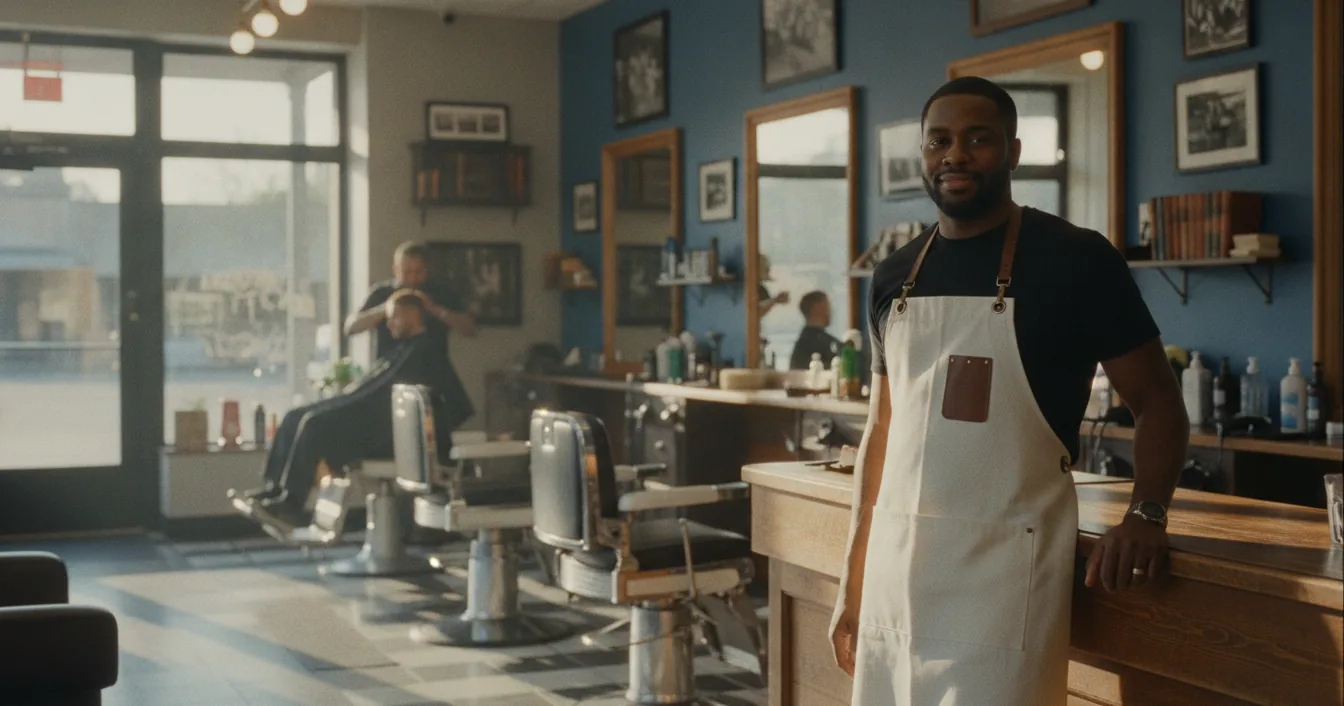
The Culture Is the Product, the Business Is What Keeps the Doors Open
The Black barbershop has never been just a place to get a haircut. It is a newsroom, a debate stage, a waiting room, and for a lot of men the closest thing to a standing appointment with someone who actually listens. That cultural weight is real, and it is exactly why so many barbers dream of running their own shop.
But behind every chair that feels like home is a business that has to make rent, and right now the math is harder than it has been in a generation. If you are a booth renter weighing your own place, a barber going independent, or a first-time owner staring at a lease, this is the operations playbook: how to structure the chairs, set your prices, take bookings, sell product, and keep clients coming back.
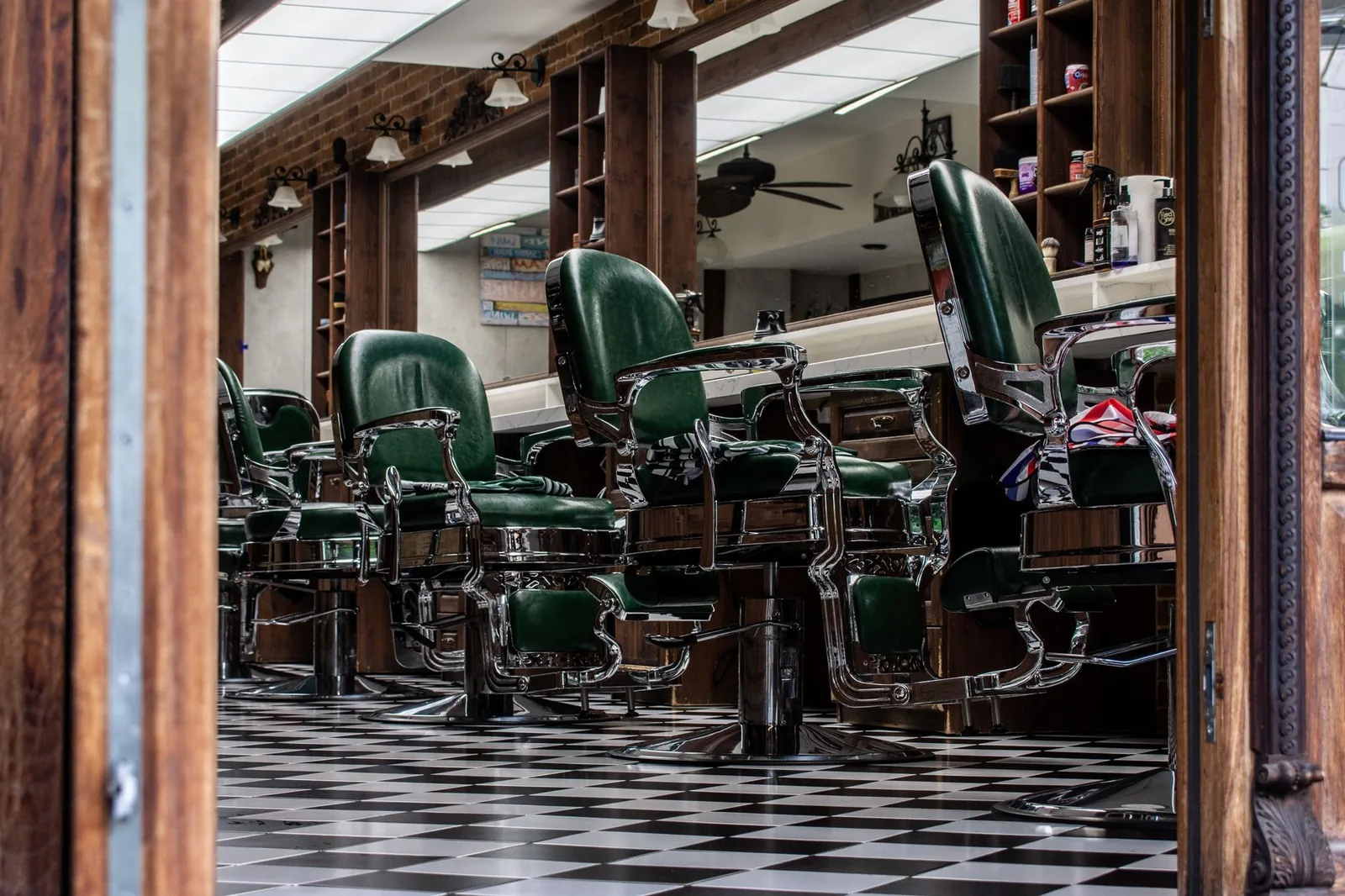
The Three Ways to Run a Chair
Almost every shop runs on one of three models, and picking the right one shapes everything else.
Booth rent. The barber pays the shop a flat weekly rent for the station, usually somewhere between $150 and $300 depending on the city, and keeps every dollar they cut. They bring their own clients, buy their own supplies, set their own hours, and file taxes as an independent contractor. For the owner, rent is predictable money that comes in whether the chair is busy or not. The trade is control: a renter is their own boss, so you cannot dictate their schedule, their prices, or how they run their book.
Commission. The shop keeps a percentage of each cut, commonly 40 to 60 percent, and in exchange provides the station, the supplies, the booking system, and the marketing that fills the chair. The barber carries less risk and less overhead. The owner gets to set standards, hours, and pricing because these barbers are usually employees, and that control is the whole point.
Ownership. You hold the lease, the utilities, the licenses, the insurance, and the payroll. You absorb the slow weeks. In return you keep the upside, build something that has resale value, and set the culture of the room.
One warning that trips up new owners: you cannot call someone a booth renter and then treat them like an employee. The more you control a barber’s schedule and methods, the more the IRS and your state labor board will see an employee, no matter what the rent check says. Worker classification rules and penalties vary by state, so get the arrangement in writing and check your local law before you build the model.
Pricing When Everything Costs More
Ask any working barber why cuts cost more than they used to and they will point at the supply shelf. The clippers that ran as little as $80 in 2019 now cost $150 to $300. A pack of razors that was $5 is $10. Paper neck strips went from around a dollar to three. Even a can of clipper coolant that was under seven dollars now runs closer to fifteen. Add rent that keeps climbing and you have barbers who have raised prices more than 50 percent over five years, pushing a standard cut from $25 toward $40, $50, even $60 after tip in the big cities.
Here is the shift that matters most for your business. Since the pandemic, men are coming in less often, once a month where they used to come three times. When each client visits fewer times, every single visit has to carry more value and more revenue. That changes how you price:
- Know your true cost per cut. Add up supplies, your share of rent or overhead, and the time the service takes. That number is your floor. Never price below it to win a bargain hunter.
- Sell the experience, not the minutes. Clients paying premium prices expect a premium feel: a clean station, a hot towel, a real consultation, a finish that makes them stop at the mirror. Look the part of the professional you are.
- Build a menu with tiers and add-ons. A junior barber and a 20-year master should not charge the same rate. Beard work, lineups, hot-towel shaves, and gray blending are all add-ons that lift the ticket without adding a single new client.
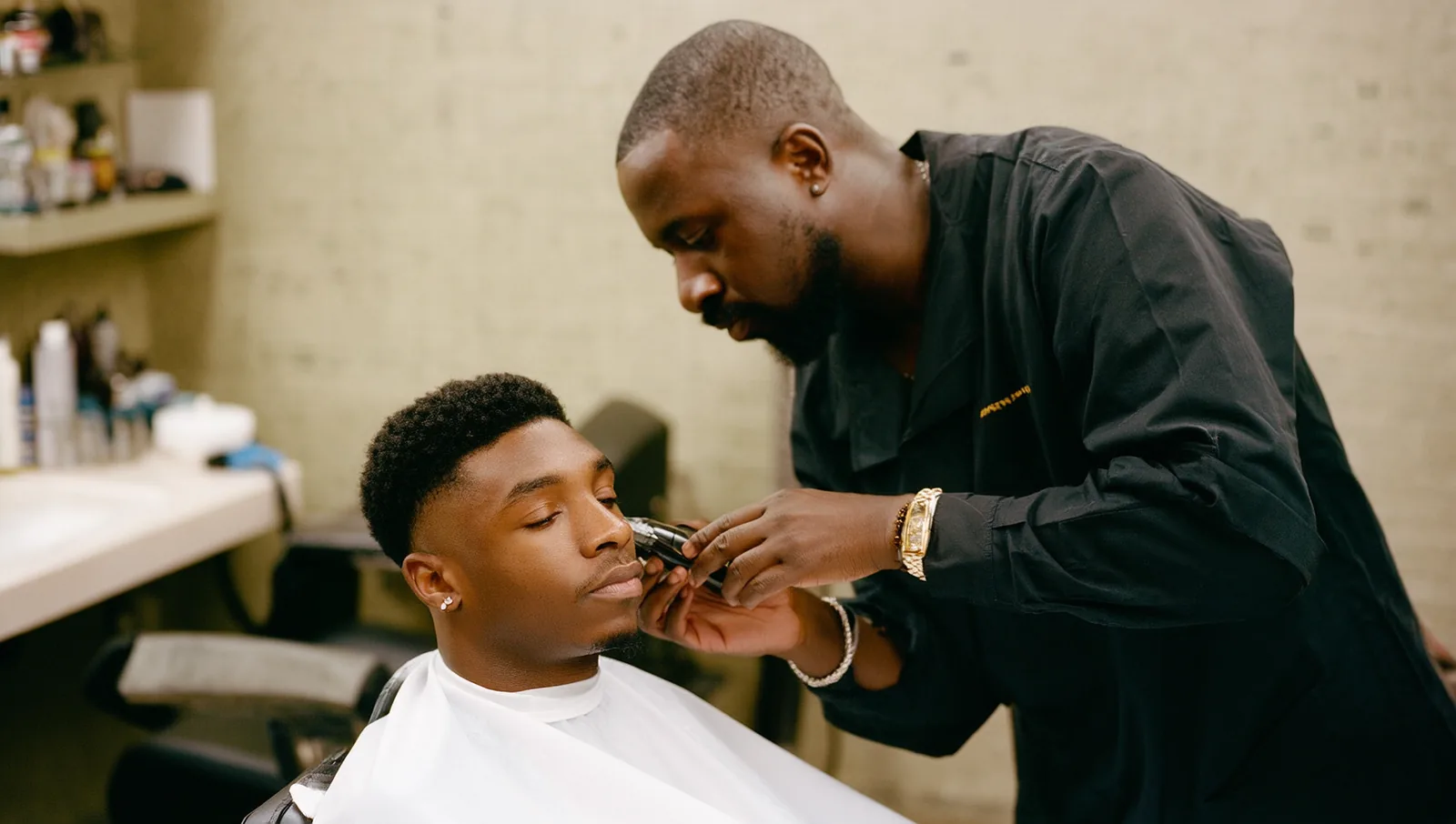
Formalizing an Industry Built on Word of Mouth
For most of its history, this trade ran on referrals, a phone number, and later a flood of Instagram DMs. That informality is finally getting some structure, and the shops that lean into it look more professional and lose less money.
Booking software is the first upgrade. Platforms built for barbershops let clients book online, put a card on file, and get automatic reminders, while you keep a full history of every client and what they get done. The single biggest win is deposits. No-shows are a silent profit killer, and requiring a card or a small deposit to hold the slot cuts them dramatically.
Discovery marketplaces are the second layer. Startups have raised real money to help clients find barbers who actually know how to cut Black hair, a problem that is severe in smaller and whiter towns where finding the right chair still runs on word of mouth. One barbershop operations company grew its valuation from $75 million to $750 million in about a year, proof that investors now treat the chair as serious business. If you are building a book, or you sit outside a major Black population center, getting listed where clients are already searching is close to free growth.
The Shelf Behind the Chair
Retail is the most natural upsell in the business and the one most shops still leave on the table. It does two jobs at once: it adds margin, and it keeps clients in your world between appointments. The rules are simple. Stock what you already use on clients, because the product a man just felt work on his own head sells itself. Keep it to a few hero items rather than a crowded wall. And let the recommendation happen at the chair, where “this is what I just put in your hair” from a barber he trusts beats any display sign. Even a student-run shop in Minnesota added a vending machine of hair products so clients could grab what their hair needed on the way out. For the full breakdown of what actually moves, see the guide to building a retail shelf that sells.

Retention Is the Whole Game
It costs far more to win a new client than to keep one you already have, so retention is where a shop is quietly won or lost. A few systems do the heavy lifting:
- Rebook them in the chair. The best time to book the next cut is before this one is paid for. “Same time in two weeks?” locks in the calendar while the fade is still fresh.
- Use memberships and packages. A monthly plan or a prepaid pack of cuts turns unpredictable walk-ins into steady, upfront revenue and gives the client a reason to keep coming back to you.
- Protect the feeling of the room. As prices rose, some barbers watched their shop shift from a “men’s sanctuary” into quick cut-and-go transactions, and that is a retention problem, not just a mood one. The reason a client drives past three other shops to sit in your chair is the relationship. That is also why the movement to train barbers as trusted ears for men’s mental health is good business as well as good work. People do not leave a place that truly sees them.
Licensing and the Legal Backbone
None of this matters if the doors get closed by an inspector. Every barber in the shop needs a current license, and the required training hours differ from state to state. The shop itself usually needs its own license and has to pass health and sanitation inspections. Around that, set up a business entity, get an EIN, carry liability and malpractice insurance, and pull any local permits before you open. A skilled, properly licensed barber is the foundation of the whole operation, so verify credentials when you hire. Licensing rules and health codes vary widely by state, so treat your state board’s website as required reading, not a formality.
The Bottom Line
A great Black barbershop is a cultural institution and a small business at the same time, and the ones that last are run by people who respect both. Pick a chair model that fits how much control you want. Price for your real costs and for the experience clients now expect. Take bookings like a professional, put product on the shelf, and build the systems that turn one fresh cut into a client for a decade. The culture fills the room. The business keeps the lights on so the culture has somewhere to happen.
Sources
- Marketplace on how rising supply costs are reshaping Black barbershops
- BetaKit for the tech platforms formalizing a historically informal industry
- Sahan Journal with a student-run shop that grew into a permanent community fixture
Further reading
- U.S. Small Business Administration covering how to write a business plan for a new shop
- IRS on the line between an employee and an independent contractor
- Bureau of Labor Statistics on what running your own shop involves, and the wage and outlook data behind it
- National Association of Barber Boards of America for the state board that licenses your shop