Pioneers of Black Hair Care: The Innovators Who Shaped a Billion-Dollar Industry
Published on June 5, 2026
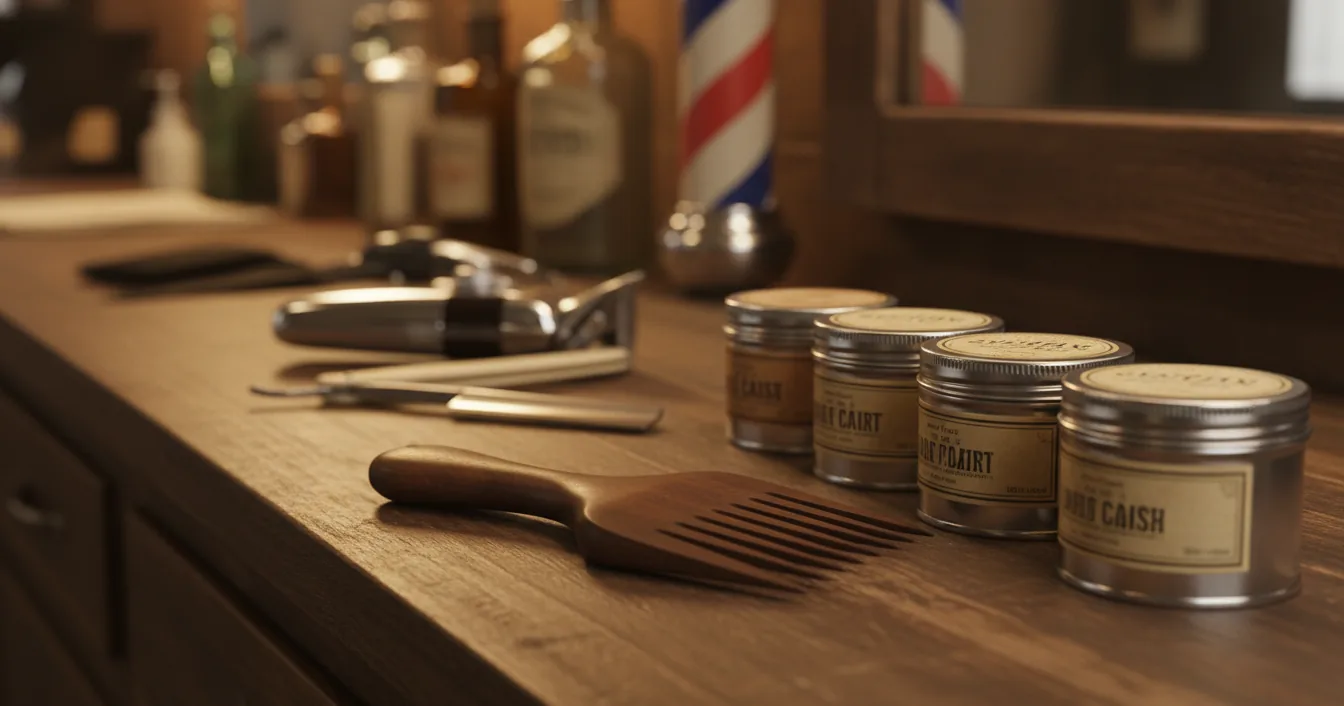
An Industry Built by People the Mainstream Locked Out
In October 2025, San Diego renamed a stretch of Tooley Avenue in the Encanto neighborhood as Willie L. Morrow Way. The man on the sign had arrived in California years earlier as a barber from Alabama, and by the time he died in 2022 he had put tools and products into Black households around the world. The ceremony fell on what would have been his 85th birthday. His daughter Cheryl framed the inheritance simply: “When your name is good as gold because of how you treated people, that is the greatest thing that any heir could inherit.”
Morrow is one figure in a much larger story. Black hair care in the United States is a multibillion-dollar industry, and nearly every part of it was built by people the mainstream beauty business ignored. Shut out of the labs, the counters, and the advertising of white-owned companies, they formulated their own products, invented their own tools, and trained their own workforces. Many became some of the wealthiest self-made people of their generation, and a striking number poured their fortunes back into the communities that raised them. These are a few of the innovators who made the industry what it is.
Annie Malone and the Birth of Poro
The woman often called the mother of Black hair care came before the famous name. Annie Turnbo Malone was born in 1877 in Metropolis, Illinois, to parents who had been enslaved in Kentucky. Orphaned young, she gravitated toward chemistry, and by the turn of the century she had done something no one had managed before. She developed safe, effective treatments for Black hair and scalp at a time when women were resorting to goose grease, harsh soap, and bacon fat.
She named her line Poro and opened her first St. Louis shop in 1902. In 1918 she completed Poro College, a three-acre complex in the city’s historic Ville district that combined a manufacturing plant, a beauty school, an auditorium, and a community gathering place under one roof. By 1920 her enterprise employed hundreds locally and some 75,000 agents nationwide. Malone became one of the first Black women in America to build a fortune, and she gave much of it away, funding the St. Louis orphanage that still bears her name along with Howard University and the Tuskegee Institute.
Madam C.J. Walker: The Self-Made Millionaire
Before she was Madam C.J. Walker, she was Sarah Breedlove, born near Delta, Louisiana, in 1867, the first child in her family born free. She worked as a washerwoman and suffered the scalp disease and hair loss that were common when running water and gentle products were luxuries. Her path into the business ran straight through Annie Malone. Walker started out selling Poro products as one of Malone’s agents before developing her own formula and striking out on her own.
What she built rivaled and eventually eclipsed her former employer. The Madam C.J. Walker Manufacturing Company sold her “Walker System” of scalp preparation, ointments, and heated combs, and by 1917 it had trained more than 20,000 women as licensed sales agents. Those agents mattered as much as the products. In an era with almost no white-collar work open to Black women, a Walker commission was a road to independence. Guinness World Records lists Walker as the first female self-made millionaire in America. She spent the wealth on the NAACP, the arts, and anti-lynching campaigns until her death in 1919.
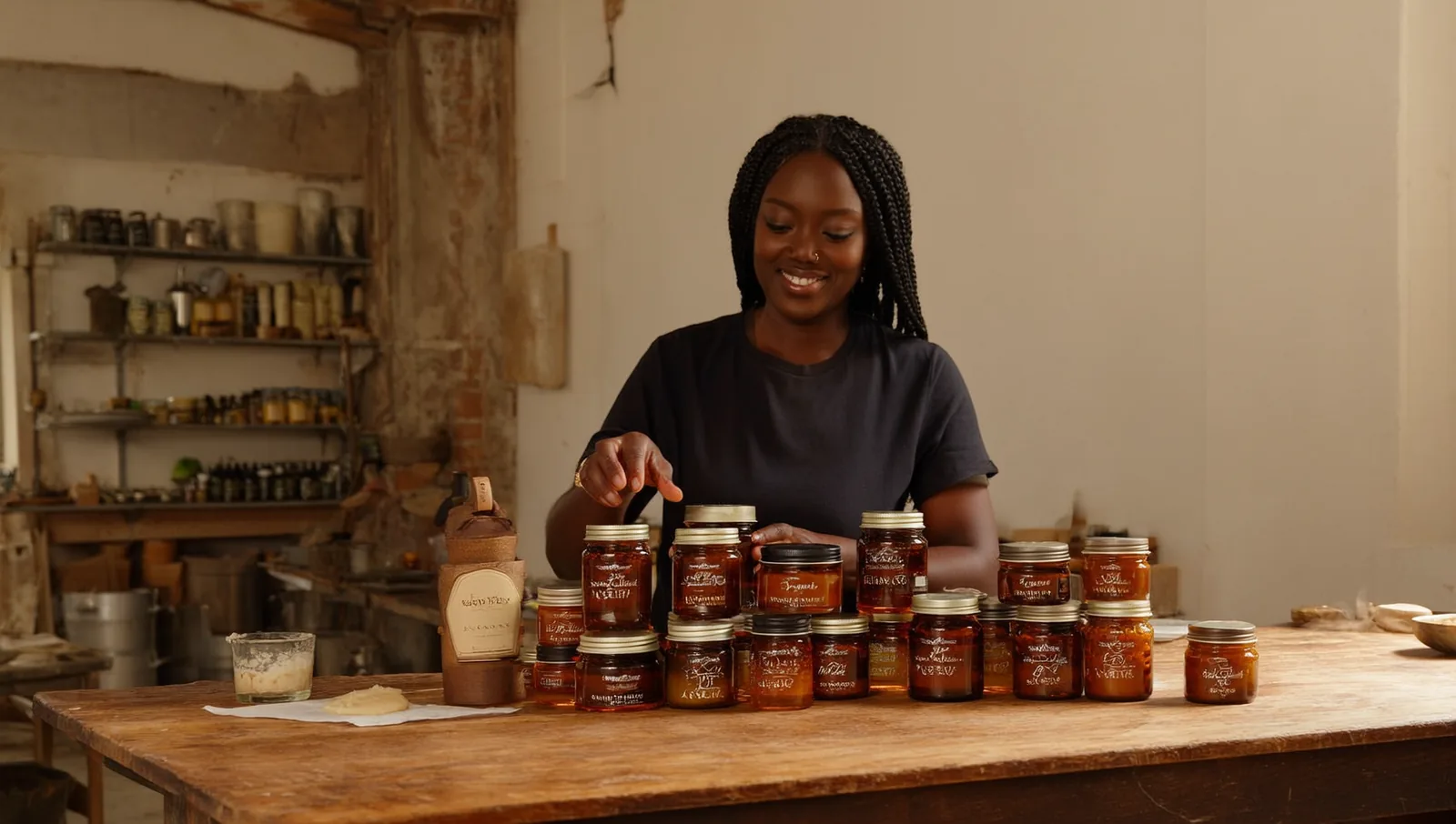
Garrett Morgan: The Accidental Chemist
Some pioneers found Black hair care by accident. Garrett Morgan, born in Paris, Kentucky, in 1877 to formerly enslaved parents, was tinkering with a liquid to keep sewing-machine needles from scorching fabric when he noticed it smoothed the fibers of a wool cloth. He tried it on hair, and it worked. Around 1913 he launched the G.A. Morgan Hair Refining Company, selling a hugely popular straightening cream along with hair coloring and a straightening comb of his own design.
The profits funded the inventions Morgan is better remembered for, including an early gas mask and the three-position traffic signal. His straightening cream also sits at the head of a long and complicated lineage. The chemical relaxers that followed carried real risks, which is why understanding what is actually in a relaxer still matters more than a century later.
Willie Morrow and the Afro Pick
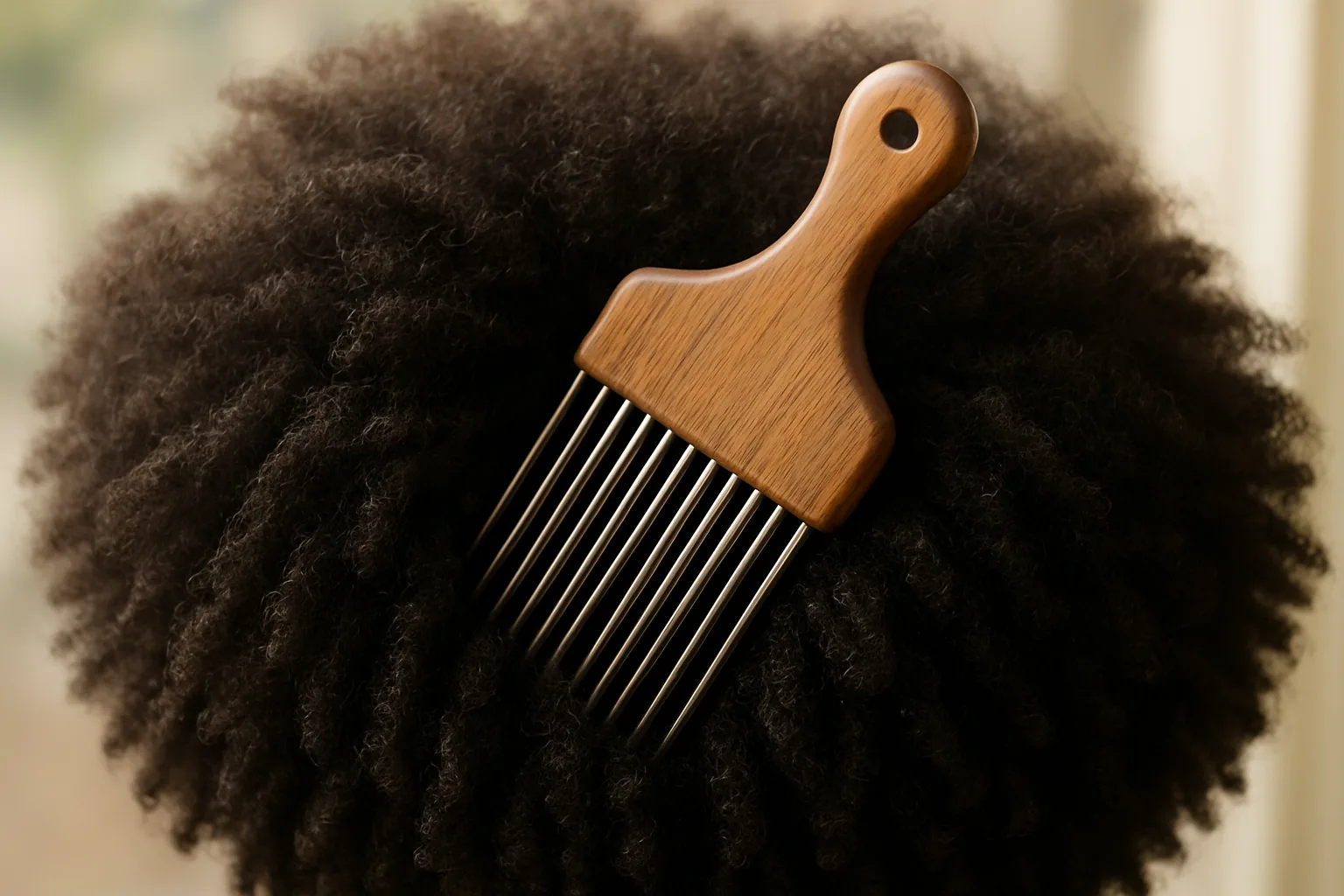
Willie Morrow built his name on a tool as old as Africa itself. Pick combs appear in ancient Egyptian tombs, and the raised-fist version became a symbol of the Black Power era. Morrow, born in Tuscaloosa, Alabama, in 1940, is the barber credited with popularizing and mass-producing the modern Afro pick, including patented designs that put the comb into millions of hands just as the Afro became a national statement. He also created the California Curl, a softer alternative to the harsh curl chemistry of the day.
His influence reached far beyond his San Diego shop. In the early 1970s the United States military brought Morrow in to train thousands of barbers and beauticians to properly cut and care for Black hair, a quiet revolution in institutions that had long pretended textured hair did not exist. He wrote and published, ran his own product and media businesses, and turned his barbershop into a classroom and a community anchor, the kind of room that has always been more than a place to get a haircut.
George E. Johnson: Afro Sheen Goes to Wall Street
If Walker and Malone proved Black hair care could make a fortune, George E. Johnson proved it could go corporate. In 1954 Johnson and his wife Joan started a Chicago company on a $250 loan. Their Ultra Sheen and, later, Afro Sheen lines rode the natural-hair wave of the late 1960s, and their advertising spoke directly to Black pride at a moment when few national brands would. The company sponsored Soul Train and reached an estimated 80 percent of the Black hair-care market.
In 1971, Johnson Products became the first Black-owned company listed on the American Stock Exchange. It was a milestone that reframed the whole industry, a signal that products born in kitchens and barbershops could stand on the same financial footing as anyone else.
The New Pioneers: From Kitchen Tables to Acquisitions
The tradition did not end with the old guard. Lisa Price began mixing Carol’s Daughter products on her Brooklyn stove in 1993, named the brand for her mother, and sold it to L’Oréal in 2014. Richelieu Dennis, a Liberian immigrant, built SheaMoisture around his family’s shea-butter recipes. Unilever bought his Sundial Brands in 2017, and Dennis funneled the proceeds into a fund for women-of-color entrepreneurs. Tristan Walker created Bevel, a single-blade razor system designed for the coarse, curly hair most prone to razor bumps, and sold Walker & Company to Procter & Gamble in 2018.
Each sale told the same story from a different angle. The major conglomerates were finally paying to enter a market that Black founders had identified, served, and grown for more than a century.
The Throughline
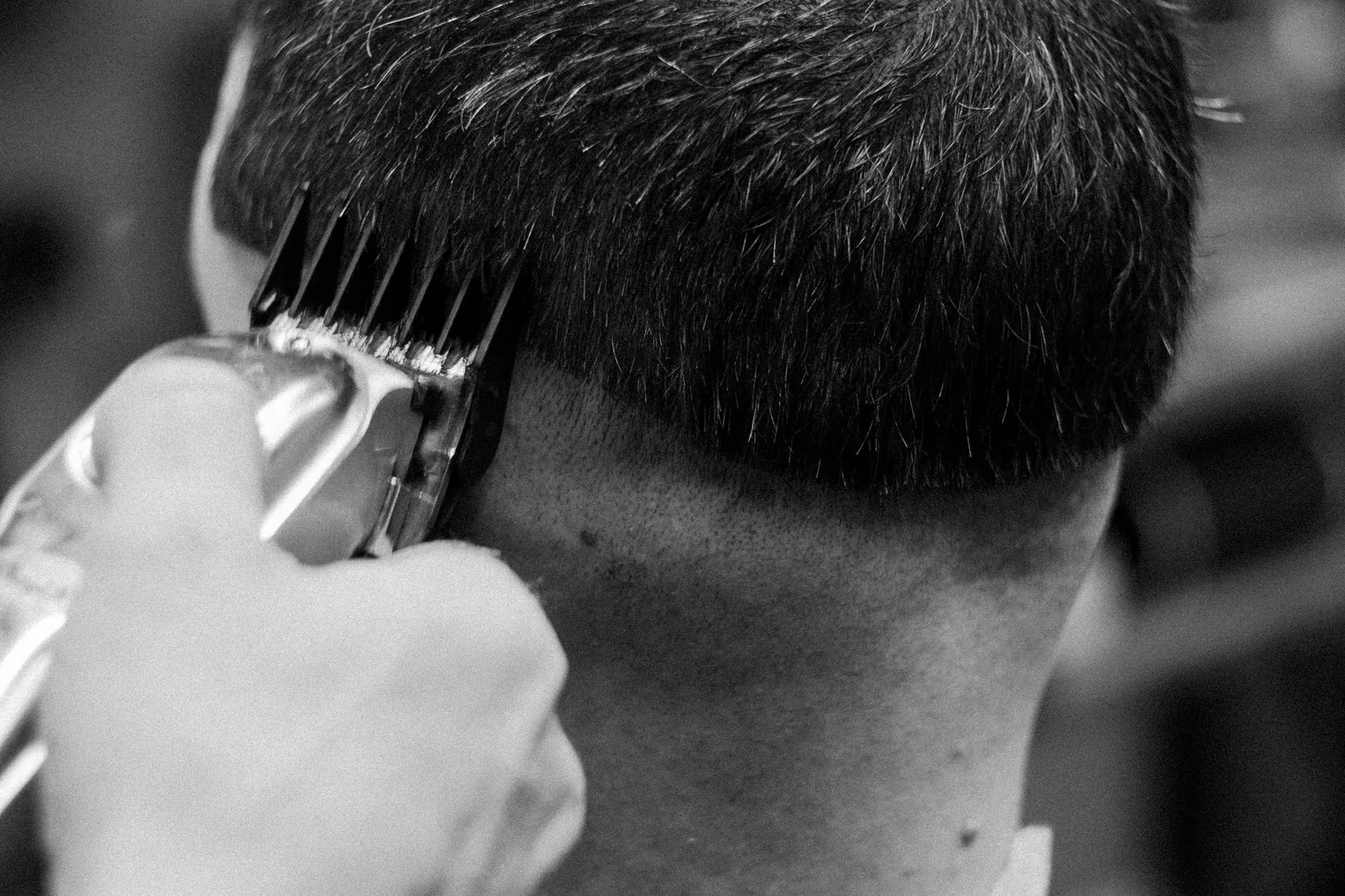
A laundress, a self-taught chemist, a military trainer, and a founder at a Brooklyn stove do not have much in common on paper. What links them is a refusal to wait for an industry that was never coming. Black hair has its own structure and its own needs, and the science of why it behaves the way it does is exactly what the mainstream long declined to study. These pioneers studied it, built for it, and handed the craft down through generations of skilled barbers and stylists who carry it forward in every shop today. The billion-dollar figure is the headline. The deeper legacy is a habit of building what your community needs when no one else will.
Further reading (sources)
- 10News on the San Diego street renamed for Willie Morrow
- The New York Times with the life of the barber who popularized the Afro pick
- HISTORY for how Madam C.J. Walker became a self-made millionaire
- National Trust for Historic Preservation on Annie Malone and the rise of Poro College
- Smithsonian Lemelson Center for the many inventions of Garrett Morgan
- Black Enterprise with how George and Joan Johnson built the Afro Sheen empire
- The Root on Lisa Price and the staying power of Carol’s Daughter