The Modern Black Men's Grooming Guide: Products, Routines, and the Brands Leading the Boom
Published on June 9, 2026
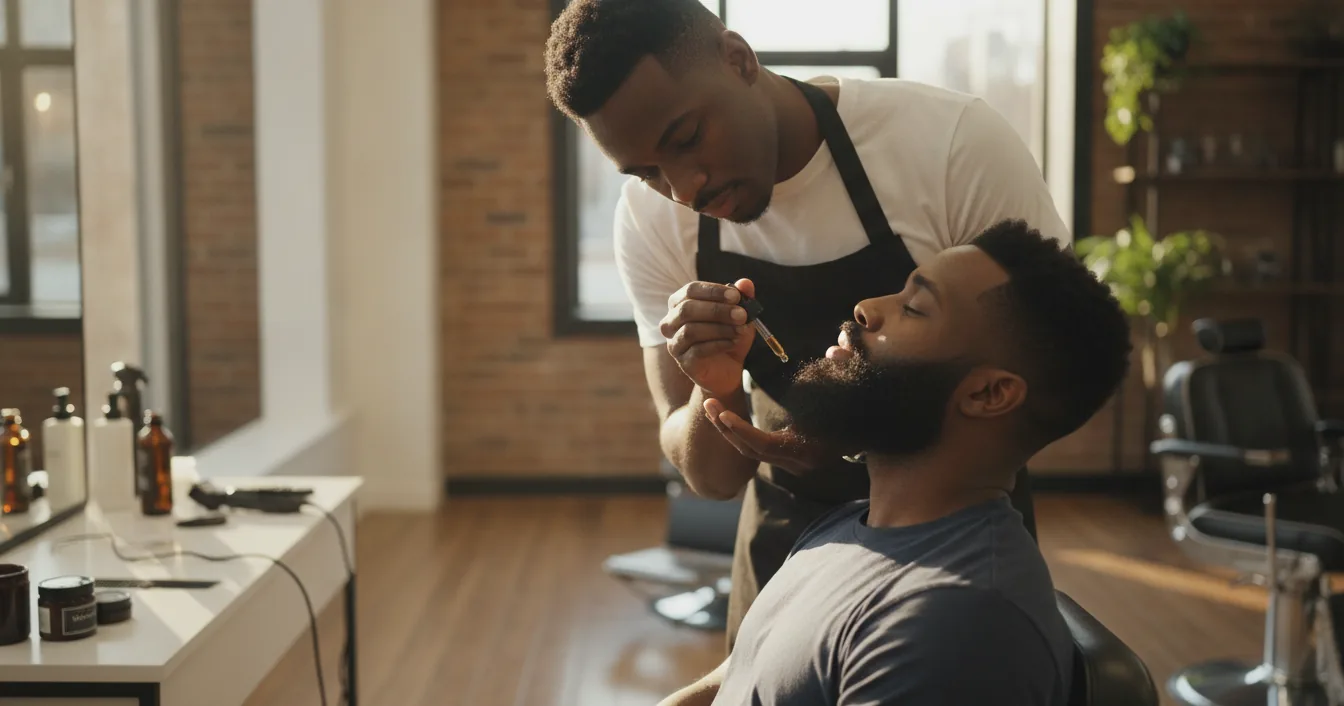
The Grooming Boom Is Real, and It Started in the Chair
For a long time, “Black men’s grooming” meant a bar of soap, whatever shave gel was on sale, and a jar of pomade. That era is over. The category has become one of the fastest-growing corners of the grooming industry, and the energy behind it is coming from Black men who want products built for their skin, their hair, and their beard, not generic formulas borrowed from someone else’s needs.
None of this is really new. The barbershop has always been where grooming knowledge gets passed down, from the right way to edge a line to which oil keeps a beard from itching. What has changed is that the shelf finally caught up to the chair. That long history of the shop as a trusted institution is exactly why this guide is written for two people at once: the client building his first real routine, and the shop owner deciding what to stock behind it.
Start With the Skin
Melanin-rich skin has specific strengths and specific risks. The biggest risk is post-inflammatory hyperpigmentation, the dark mark left behind after a popped pimple, a shaving nick, or an ingrown hair. The mark often outlasts the blemish itself by months, so the whole game is avoiding inflammation in the first place rather than treating it after.
A routine does not need ten steps. It needs three: a gentle cleanser morning and night, a moisturizer to handle the dryness that shows up as ashiness, and sunscreen. Yes, sunscreen on brown skin. Melanin is not a sunblock, and UV exposure deepens exactly the dark spots you are trying to fade. Keep the ingredient list short, skip harsh scrubs that scratch the surface and trigger more pigment, and get comfortable reading the label on what you put on your body.
The Razor Bump Problem
If one issue defines Black men’s grooming, it is razor bumps. The clinical name is pseudofolliculitis barbae, and the cause is mechanical. A curved follicle grows a curved hair, and once you cut that hair short it curls back and stabs into the skin, which treats the buried hair like a splinter and inflames around it. The result is bumps, dark marks, and on the neck sometimes raised keloid-like scarring.
Beating it is part technique, part product:
- Prep the skin. Warm water or a hot towel softens the hair, and a pre-shave oil lets the blade glide instead of drag.
- Shave with the grain, not against it. Going against the grain for a closer shave is exactly what plants the hair under the skin.
- Use a single-blade or safety razor. Multi-blade cartridges tug the hair up and cut it below the skin line, the worst case for ingrowns. Clippers that leave a hair’s length of stubble are even safer.
- Do not shave every day. Give the skin time to recover between passes.
- Exfoliate gently two or three times a week to free trapped hairs. A salicylic or glycolic acid product works better, and safer, than digging at them with tweezers.
- The definitive fix for a lot of men is simply growing the beard out. A barber who knows textured hair can shape it so it looks deliberate while the skin underneath calms down.
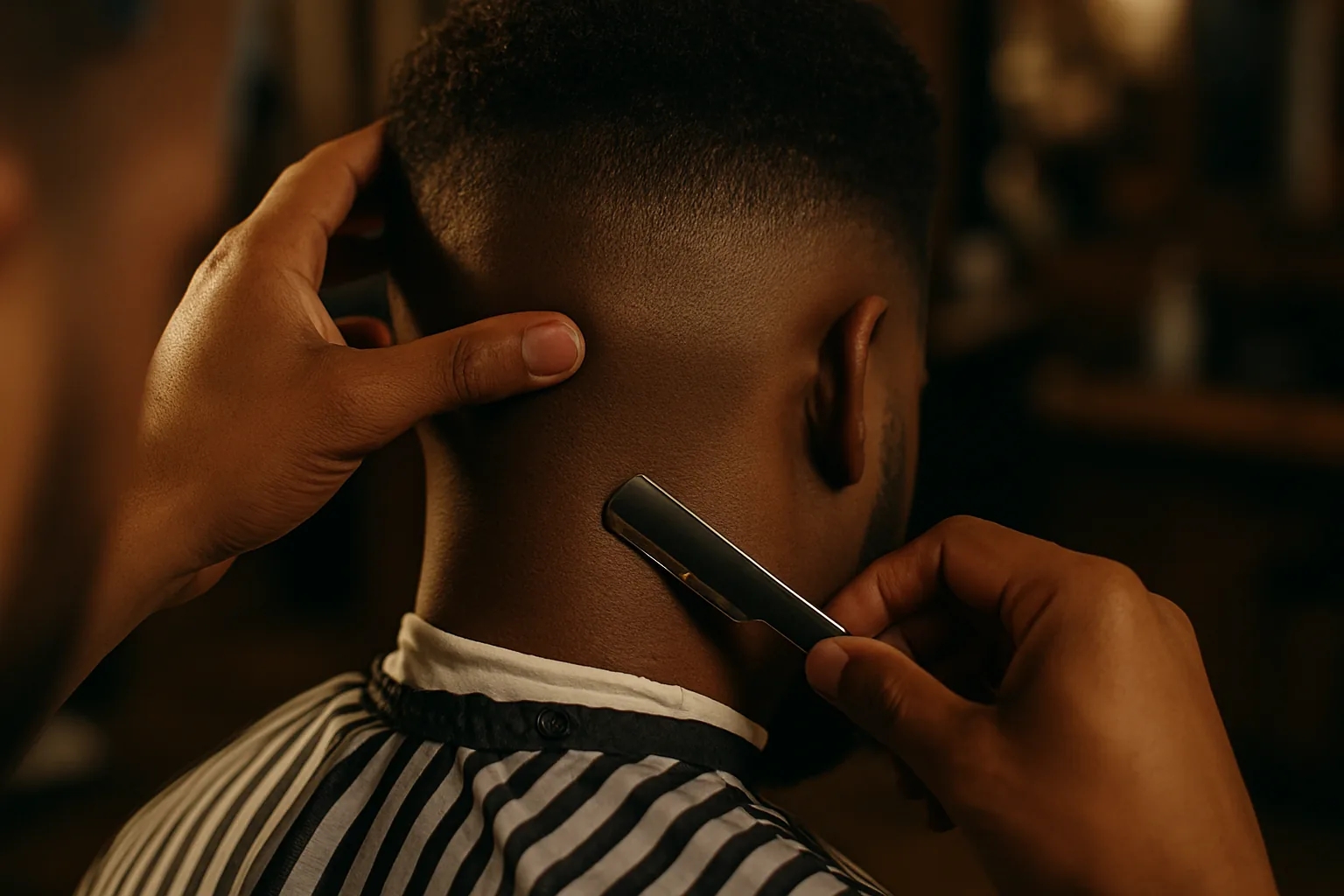
If bumps are scarring or getting infected, that is dermatologist territory, not a drugstore fix.
Beard Oil vs Beard Balm
Two products, two jobs, and clients mix them up constantly. Beard oil is lightweight. It is mostly carrier oils like jojoba and argan with a little fragrance, and it absorbs into both the hair and the skin underneath. That is what softens a coarse, coily beard, kills the itch of new growth, and clears up the flaking people call beardruff. Use it daily, and use it even on a short beard, because the skin under there is the part that itches.
Beard balm is thicker. It adds butters and waxes, usually shea butter and beeswax, so along with conditioning it gives light hold and shaping power. Reach for it on a medium or long beard, in dry weather, or any time you need to tame flyaways and direct the growth. A coily beard curls tight and dives back toward the skin, so the same oil that softens it also helps keep those hairs from turning into ingrowns. A simple beard routine looks like this: wash two or three times a week with a dedicated beard wash rather than bar soap, which strips it dry; oil daily; balm when you want shape; and brush to train the growth flat.
Scalp Care for Fades and Bald Heads
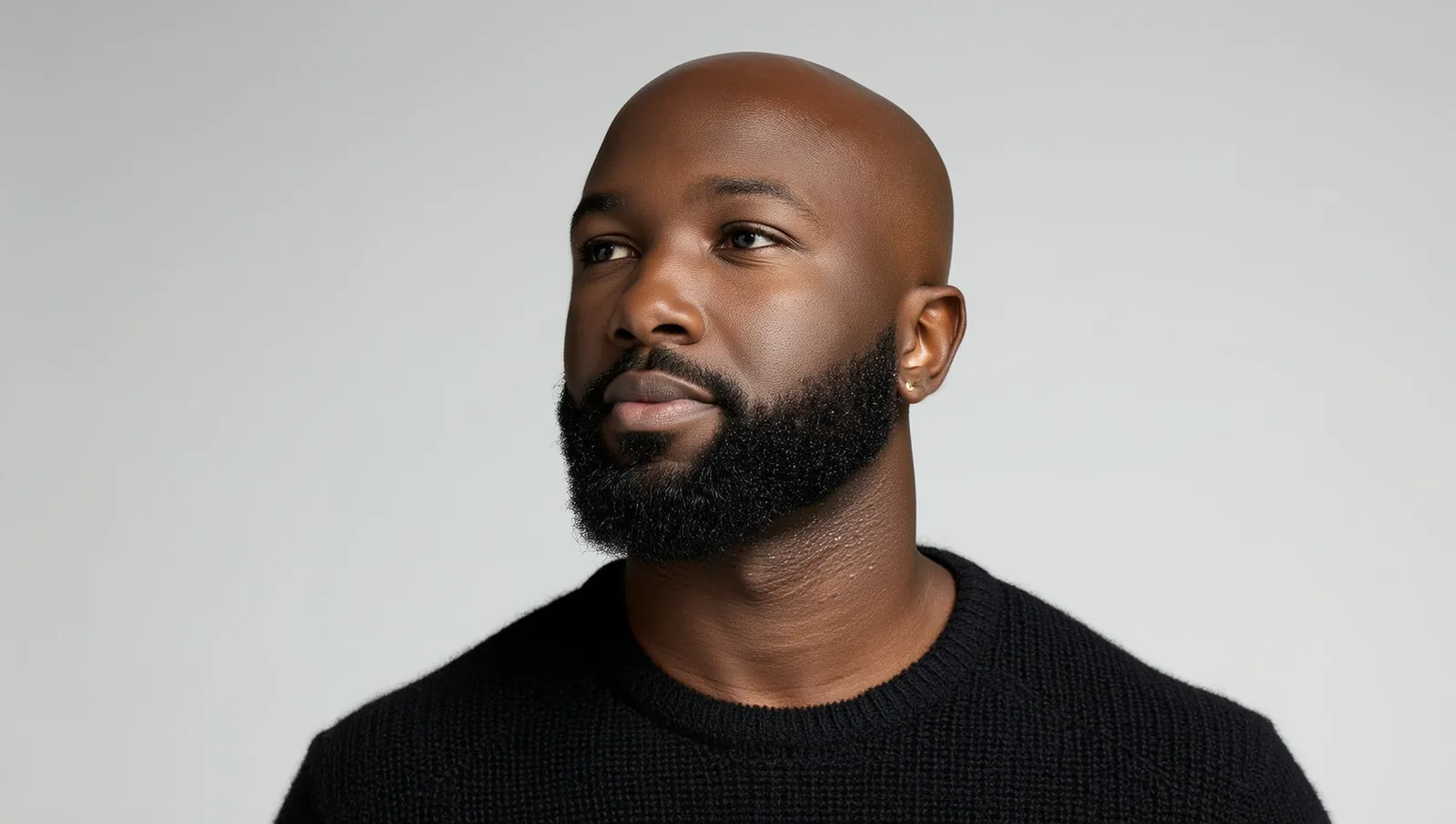
A cropped cut or a clean bald head is not low maintenance, it is different maintenance. A shaved scalp needs the same shave discipline as the face, because razor bumps form on the crown and the nape too. It also needs sunscreen. The top of the head takes direct sun all day and is a spot for skin cancer that men forget entirely.
On a low fade or a Caesar, any dryness shows instantly, because there is no length to hide a flaking scalp. A light scalp oil or serum, and not overwashing, keeps it looking fresh. A healthy, moisturized scalp is also the foundation for a clean hairline and a crisp lineup, which is the same reason moisture matters so much for textured hair in general.
Why Fragrance Carries This Category
Scent is not a side note in Black grooming, it is half the point. You are supposed to walk out of the shop smelling good, and the memory of the pomade, the aftershave, and the powder on the neck is wired into the whole experience. It is why brands obsess over signature scents. A beard oil that smells great gets reapplied every single morning. A medicine-cabinet one gets used twice and abandoned. The exception is sensitive or breakout-prone skin, where a fragrance-free version is the smarter call, so it pays to know which of your products are scented and which are not.
The Brands Leading the Boom
The brands driving this moment tend to share an origin story. They started from a real need that mass-market grooming ignored.
Scotch Porter, founded by Calvin Quallis, was built on a simple argument: Black men deserve self-care grooming products designed for them rather than generic drugstore lines. The beard collection of wash, balm, and serum anchors a range that now runs through hair, skin, and body, and the brand’s move into major national retailers is a clear sign the whole category has gone mainstream.
Luster’s plays the long game. It was founded in 1957 by Fred Luster Sr., a barber on the South Side of Chicago who started mixing his own formulas right in his shop because nothing on the market addressed his clients’ dry, itchy scalps and brittle hair. Almost seven decades later it is still 100% Black-owned and family-run, now in the hands of the third generation, and still built around hydration. It is proof this boom has deep roots, part of the long line of Black founders who turned a barbershop need into an industry.
Then there is Bevel, which built an entire single-blade razor system specifically to stop the razor bumps described above, a brand that exists because of one stubborn problem. Add the legacy players moving into men’s lines and a long list of indie founders, and the pattern holds: necessity first, marketing second.
Building a Retail Shelf That Sells
For shop owners, retail is the most natural upsell in the business, and most shops still leave it on the table. A few rules make the shelf actually move:
- Stock what you already use on clients. The product to sell is the one a client just felt work on his own head in your chair. Nothing else converts like that.
- Start small. Four or five hero products beat a crowded wall: a beard oil, a pomade or wave product, a razor bump and aftershave treatment, and one scalp or skin item.
- Let the recommendation happen at the chair. “This is what I just put in your beard” from a barber the client trusts outsells any display sign.
- Price for margin and keep travel sizes near the register for impulse grabs.
Retail turns a single cut into recurring revenue and keeps clients in your world between appointments, which is exactly the kind of business the best shops have always run.
The Bottom Line
The grooming boom is not a trend chasing Black men. It is the market finally catching up to what barbers have known all along, that this hair and this skin have specific needs, and that meeting them is care, not vanity. Build the routine on three pillars: protect the skin, respect the beard and the follicle, and keep the scalp healthy. Choose brands that started from the need instead of the ad campaign. And if you run a shop, remember that the shelf behind your chair carries the most trusted product recommendation a client will ever hear. Use it.
Sources
- EBONY on why Black men are investing in self-care grooming, with Scotch Porter founder Calvin Quallis
- Hype Hair for the Luster family on nearly seven decades of Black-owned hair care
- American Academy of Dermatology with a dermatologist’s technique for shaving without bumps and burns
Further reading
- American Academy of Dermatology covering everyday care that keeps a scalp and hairline healthy
- American Academy of Dermatology on washing your face without stripping the skin