The Barbershop Blood Pressure Revolution: Cost-Effective Care That Works
Published on July 24, 2026
A 28-Point Drop, Measured in a Barber Chair
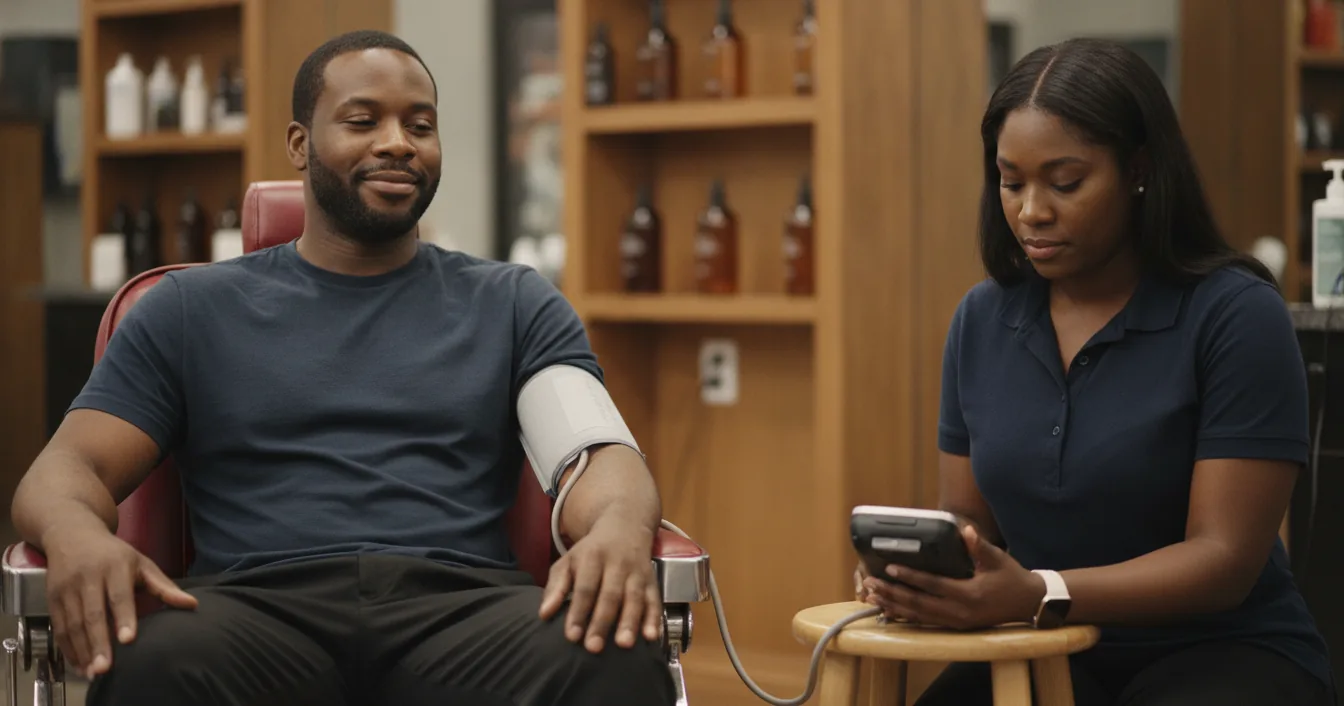
Somewhere between the cape going on and the lineup going down, a pharmacist in a Los Angeles barbershop wrapped a cuff around a man’s arm and took a reading. That ordinary moment turned out to be one of the most effective interventions American medicine has produced for Black men’s cardiovascular health, and it happened in a room with clippers buzzing and a game on the television.
The numbers are not subtle. In the Los Angeles Barbershop Blood Pressure Study, men who met with a pharmacist in the shop lowered their systolic pressure by an average of 28.6 points over twelve months, and nearly 70 percent hit a target of under 130/80. Most blood pressure drugs are considered a success if they move the top number by 10 points.
Follow-up research has since asked the question that decides whether anything in health care survives past the pilot stage: does it pay for itself? A Columbia University analysis says yes. Here is what the evidence shows, and what it means if you own a shop.
Why Blood Pressure, and Why Black Men
Hypertension rates among Black Americans are among the highest in the world. The American Heart Association puts it at roughly 46 percent of Black men and 45 percent of Black women. The condition is silent, which is the cruel part. It damages the heart, kidneys, and brain for years before a single symptom appears, and by the time a man feels something, the stroke or the heart attack is the diagnosis rather than the warning.
The standard advice is to go see your doctor. For a lot of Black men that sentence runs into a wall built from cost, work schedules, a shortage of Black physicians, and a long and earned distrust of medical institutions. The result is a population with the highest need and some of the lowest contact with primary care.
So researchers stopped waiting for the men to come to the clinic and took the clinic to the room the men were already in, on a schedule, every two weeks, for years at a time. As I have written in the cultural history of the Black barbershop, the shop has served as a news desk, a business incubator, and an informal counseling office for well over a century. Adding a blood pressure cuff to that list was a smaller leap than it sounds.
What the LABBPS Trial Actually Did
The Los Angeles trial, led by the late Dr. Ronald Victor at Cedars-Sinai, recruited 52 Black-owned barbershops across Los Angeles County and enrolled 319 Black male patrons whose systolic pressure was 140 or above. Shops were randomly assigned to one of two approaches.
In the control shops, barbers did what health outreach has traditionally asked of them: encourage clients to eat better, get moving, and make a doctor’s appointment.
In the intervention shops, the model went further. Barbers personally introduced their long-standing clients to a specialty-trained clinical pharmacist who came into the shop, checked pressure on site, and, under a collaborative practice agreement with the client’s own physician, prescribed and adjusted medication right there. That design detail is what separates this trial from most barbershop health projects. The barber was not asked to be the clinician. He was asked to make the introduction, which is the one thing no health system can buy.
At six months, the New England Journal of Medicine results showed systolic pressure falling 27 points in the intervention group against about 9 in the control group. At twelve months, published in Circulation, the effect held at 28.6 points, and it held with fewer pharmacist visits than the first six months had required.
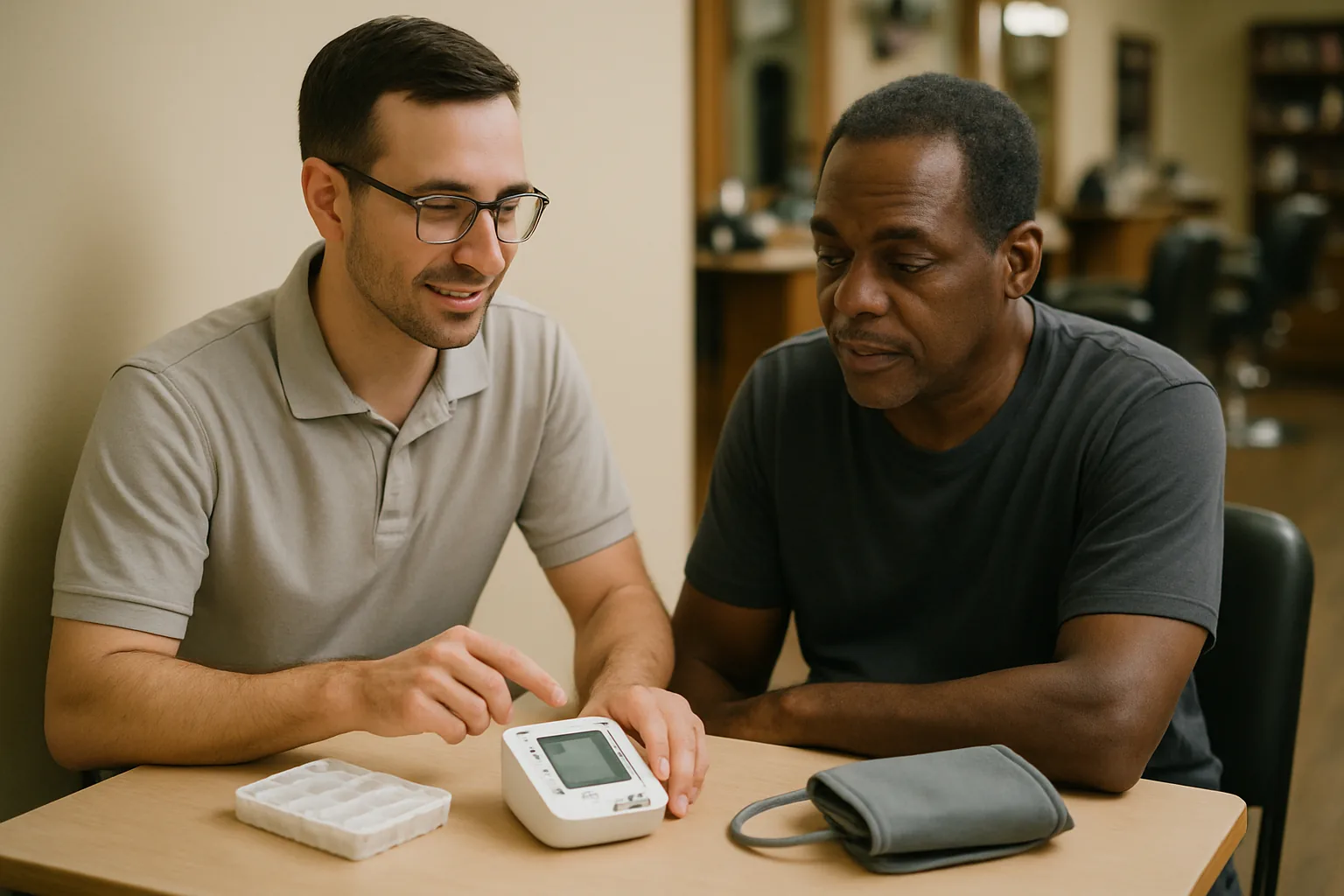
“There is something special about meeting people on their turf. It changes the power dynamic between the health care professional and the patient,” said Dr. C. Adair Blyler, one of the study’s lead authors and one of the two pharmacists who worked the shops. “A lot of these men have a real mistrust for the medical profession, but they trust their barbers. The barbers’ endorsement was critical to our success.”
That endorsement is not a soft variable. It is the same trust I describe in my guide to why choosing the right barber matters, built over years of standing appointments, and it is exactly what public health has never been able to manufacture from the outside.
The Cost Question, Answered
Strong results do not scale on their own. Sending trained pharmacists out to individual shops is expensive, and Blyler said so plainly at the time, noting that highly paid clinicians spending hours in traffic could ultimately price the model out.
So a team at Columbia University’s Vagelos College of Physicians and Surgeons, led by Dr. Kelsey Bryant and Dr. Brandon Bellows, ran the economics. Their analysis, published in Circulation in June 2021, projected the program’s costs and health gains over ten years:
- 36 percent more men would have their blood pressure controlled across that decade.
- 30 percent of heart disease and stroke hospitalizations would be prevented.
- The program costs about $43,000 per quality-adjusted life-year (QALY) gained. In health economics, anything under $50,000 per QALY counts as highly cost-effective.
- Restricted to generic medications only, that figure drops to roughly $17,000 per QALY, putting it in the same range as prescribing statins for high cholesterol. That is not a fringe intervention. That is mainstream standard of care.
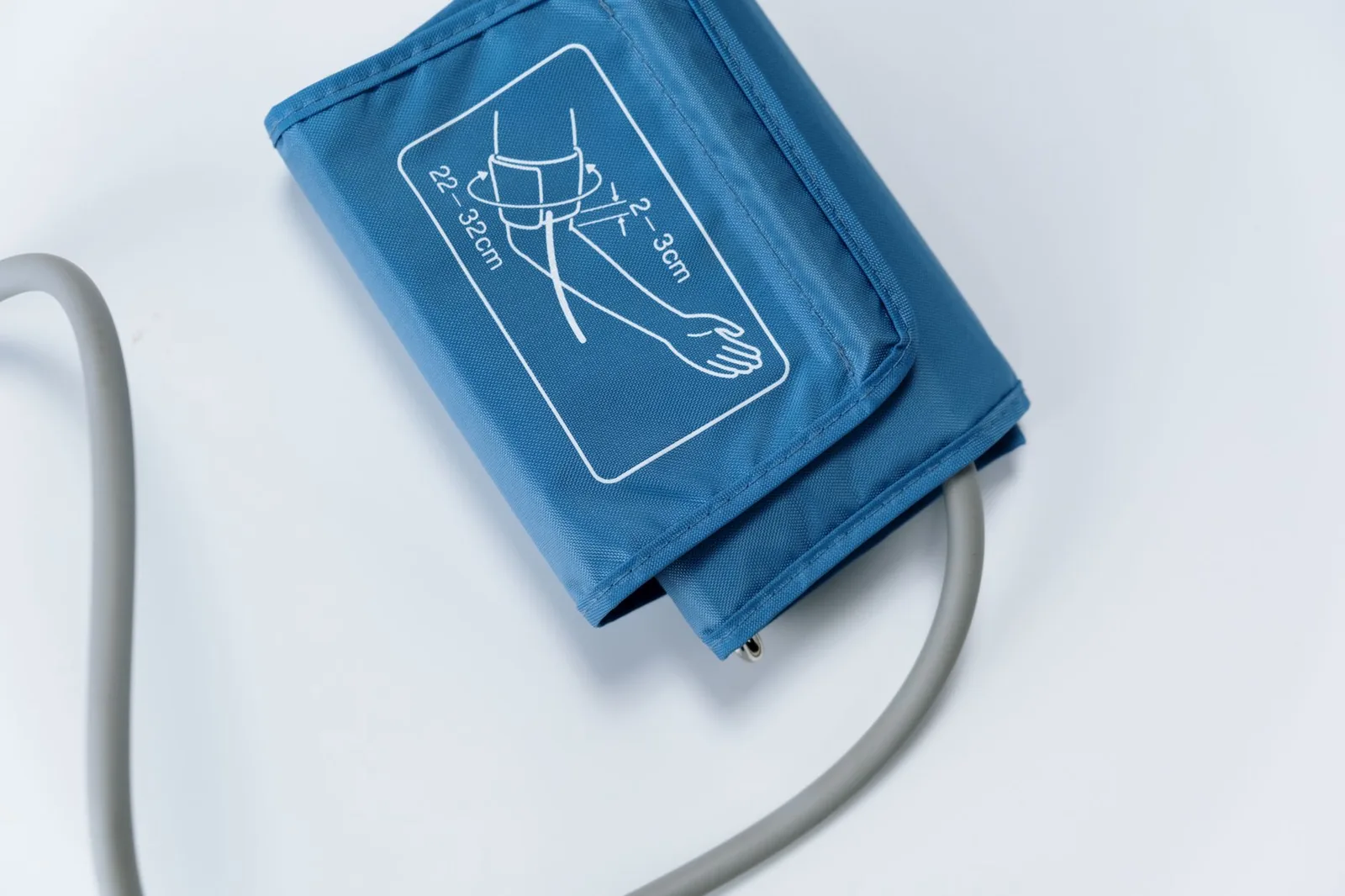
“Although it’s expensive to bring pharmacists into barbershops, our study shows that the upfront costs are partially offset by the savings gained over time from preventing heart disease and stroke,” Bryant said.
The researchers also mapped where the model gets cheaper: cutting the program from 52 weeks to 26, reducing pharmacist travel time, and having the pharmacist manage cholesterol and diabetes in the same visit, since many men with hypertension are carrying all three conditions at once.
One thing the analysis did not count is the value of narrowing a health disparity, because nobody has agreed on how to price it. Bellows argued that future evaluations should set higher willingness-to-pay thresholds for programs that shrink health gaps, which would make that societal value visible on the ledger instead of invisible.
What It Looks Like in a Real Shop
The research model already has real-world cousins. At J.P. Hair Design in Madison, Wisconsin, Aaron Perry founded the Rebalanced-Life Wellness Association, a men’s health center built directly onto the barbershop, offering free blood pressure screenings, glucose and diabetes testing, cholesterol checks, and flu shots.
Perry’s origin story is one every barber will recognize. “I would come over to the barbershop and I would hear guys just talking about all types of health problems,” he said. When he pitched the idea to shop owner Jeff Patterson, the answer was immediate. “It was like a no-brainer,” Patterson said. “It’s a trust thing. I think barbers have a good persuasion over their clients because there’s trust between a client and barber.”
A permanent wellness presence rather than a one-day event is where the field is heading. It also pairs naturally with the mental health first responder training spreading through Black shops, since both draw on the same relationship and often reach the same man on the same afternoon.
If You Own a Shop and Want to Host a Program
You do not need a research grant to start.
- Find the clinical partner first, not the equipment. Look to a nearby federally qualified health center, a hospital community outreach office, a school of pharmacy, or your local health department. Universities in particular are often actively hunting for community sites. You want a licensed clinician taking readings, not a barber with a drugstore cuff giving medical advice.
- Know the scope-of-practice line. Your barbers introduce, encourage, and follow up, and that is genuinely the hard part. Diagnosing, prescribing, and interpreting readings belong to the clinician.
- Check your state rules before you set anything up. Barbering licensure, shop sanitation codes, and what non-grooming services may happen on a licensed shop floor all vary by state, and so does pharmacist prescribing authority under a collaborative practice agreement. Call your state board and the partner’s compliance contact early.
- Pick a standing time, not a one-off. The trial results held because men saw the same pharmacist repeatedly. A single health fair generates photos. A recurring Saturday slot generates controlled blood pressure.
- Budget the space, not the staff. Most programs bring their own clinician and equipment. What the shop contributes is a chair, a semi-private corner, and the barber’s word. Plan that corner the way you would plan a retail shelf in my barbershop business guide.
- Follow up in the chair. Ask the man in your chair how his numbers are, whether he refilled his prescription, whether he went back. That two-second question from someone he trusts does more work than most people realize.

The Chair as a Point of Care
None of this replaces a doctor, and no barber should ever be positioned as one. What the barbershop solves is the last-mile problem that has defeated American cardiology for decades: getting treatment into the hands of the men who need it most and see clinicians least.
The evidence is now about as strong as community health evidence gets. It works, it lasts past a year, and it costs less per year of healthy life than plenty of things insurers already pay for without blinking. What is still missing is the payers. As Bryant put it, these programs will only scale if the institutions that fund health care decide to buy care delivered outside a physician’s office.
If you are a client, get your pressure checked, and if it runs high, see a physician rather than waiting for a program to come to your shop. If you own a shop, know that the trust you have built across that chair is a documented clinical asset. Somebody in public health would very much like to partner with you.
Further reading (sources)
- Columbia University Irving Medical Center on why Black barbershops are cost-effective sites for blood pressure treatment
- New England Journal of Medicine for the cluster-randomized trial of blood pressure reduction in Black barbershops
- American Heart Association News with the twelve-month results that held past the first study
- PBS NewsHour on the Madison shop that built a men’s health center onto the barbershop
- Circulation for the cost-effectiveness analysis of hypertension treatment by pharmacists in Black barbershops